
What is BIM?
building information modeling
BIM, which stands for Building Information Modeling, is a powerful tool that greatly aids in smooth design processes and facilitates decision-making in architectural and technological projects. By employing an effective scan-to-BIM workflow, we are able to create highly accurate and detailed BIM models. These models serve as invaluable assets for simulating, planning, and optimizing every aspect of the coordination, design and retrofitting process.
BIM modeling
Precise 3D information
Acting as a guiding light, our BIM models offer invaluable insights into potential challenges that may lie ahead. By leveraging this comprehensive understanding, you gain the power to anticipate and address issues in advance, safeguarding your project’s timeline, resources, and overall success. No more unexpected construction delays or costly redesigns — make well-informed changes with ease.
Our BIM models provide a great advantage compared to previous two-dimensional drawings with its immersive and realistic 3D representation, enabling you to extract and comprehend a wealth of information simultaneously. By adopting this perspective, you empower yourself to make informed decisions with confidence, maximizing the efficiency and effectiveness of your project from conception to reality.
Scan to BIM
Optimized levels of detail
Achieving the desired outcome of a BIM model relies on the appropriate level of detail incorporated during the modeling process, tailored to the specific purpose. It is essential to have a comprehensive understanding of the project scope in order to make informed and responsible decisions.
With our extensive expertise and a proven track record spanning over two decades, we possess the necessary capabilities to deliver precise solutions that align perfectly with your requirements.
LOD100 to LOD350
Recent projects
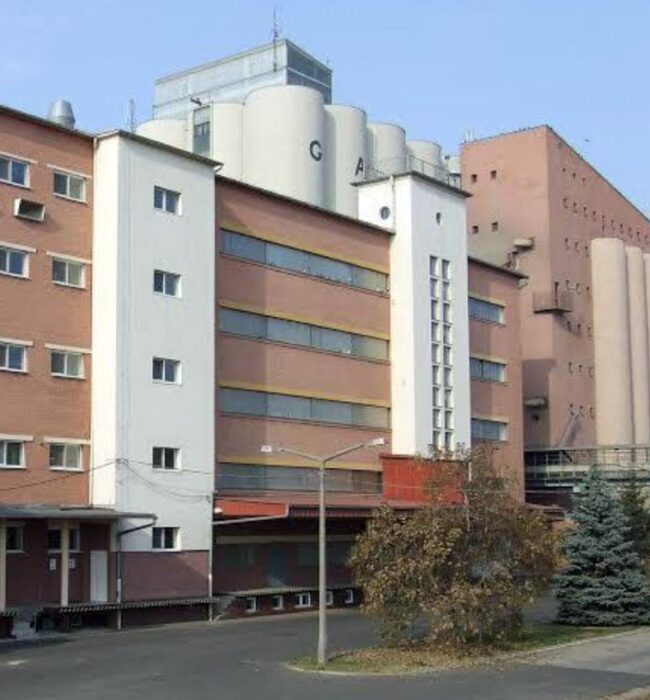
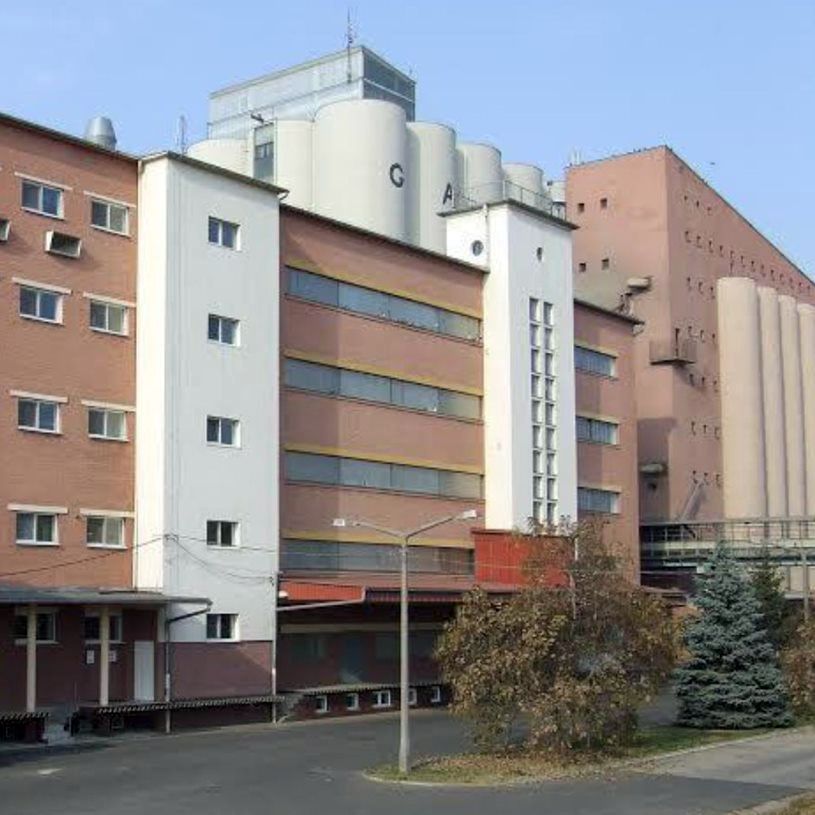
Architecture and technology combined
In our BIM models, architecture and technology seamlessly converge, creating a dynamic and comprehensive solution. It goes beyond mere architectural representation, by integrating a diverse range of technological components. From the physical dimensions of the facility to placement options and layout scenarios, every detail is precisely captured and organized.
By integrating these elements into a single file, we provide a holistic view that empowers all disciplines involved. This structured approach ensures that each element is categorized and layered, adhering to your standard or recommended best practices. As a result, the data within the model is easily accessible and comprehensible to every colleague, facilitating efficient collaboration and informed decision-making.
BIM modelling services
Enhance Collaboration and Coordination
Time is an invaluable asset in any project, and our precise BIM models are designed to maximize efficiency and resource utilization. By utilizing our detailed BIM modelling services, you gain the flexibility to make necessary adjustments at any stage, ensuring optimal project outcomes.
Our BIM models act as a common language, fostering collaboration among project stakeholders. With a clear visual representation of the facility and the built-in technology, all team members can effectively communicate, coordinate, and proactively address potential conflicts or issues before they escalate.
Furthermore, BIM models play a crucial role in identifying and resolving clashes early on. During the design phase, it becomes evident if any elements require redesign or alternative implementation. Real-time clash detection capabilities enable the entire project team to stay informed, promoting efficient and prompt problem-solving. By proactively addressing hidden errors before they manifest, you mitigate the risk of costly disruptions and reworks, ensuring your project is delivered with confidence and within budget.
Application of BIM to CAFM
BIM models can serve as a highly accurate and precise foundation for designing and utilizing a Computer-Aided Facility Management (CAFM) system. They provide detailed information on every aspect of the facility, including equipment, machinery, and assets within it. These comprehensive digital models are invaluable in simulating and optimizing daily operations, maintenance activities, and life cycle calculations.
By leveraging BIM and the CAFM system built upon it, we enable seamless integration of various processes with the necessary information for design, construction, and operation. This includes supporting activities such as construction coordination, digital handover, engineering, prefabrication, project planning, quality control and facility management itself.